

Solutions for Professional Painting Contractors
Become a member of the Benjamin Moore family today to access professional support.
Contractor Benefits
Acquire color tools to guide your customers
Marketing strategies to outperform the competition
Earn Contractor Rewards
Connect seamlessly with independent Benjamin Moore retailers
Build expertise with product/technical insights and high-value professional training
Search Benjamin Moore Products
From product information to data sheets, find what you need to get the job done.
Search for:

Top Products for Painting Contractors
Looking for a specific product? View our product catalog
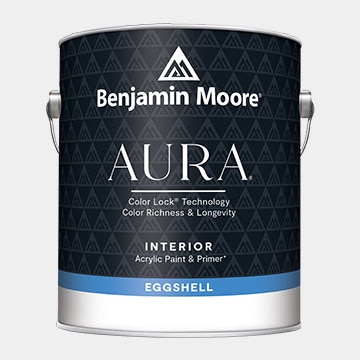
Aura® Interior Paint - Eggshell
The ultimate interior paint for breathtaking results.
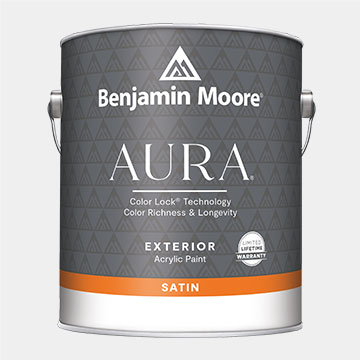
Aura® Exterior Paint - Satin
The ultimate exterior paint for breathtaking results.
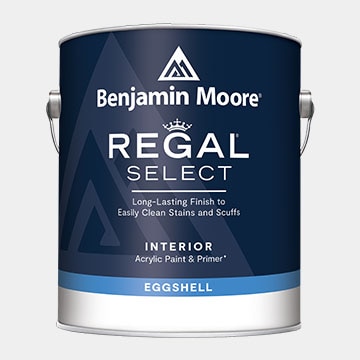
Regal® Select Interior Paint - Eggshell
Trusted by generations of professional painters and homeowners.
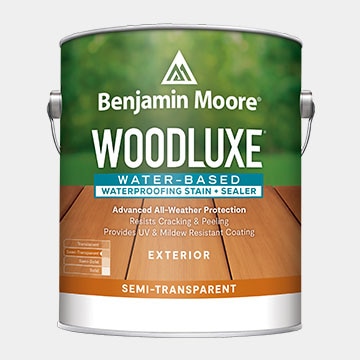
Woodluxe® Water-Based Waterproofing Exterior Stain + Sealer - Semi-Transparent
The ultimate protection for outdoor beauty.
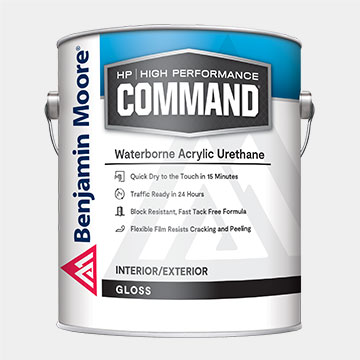
High Performance Command® Waterborne Acrylic Urethane - Gloss
A go-to solution for quick return-to-service.
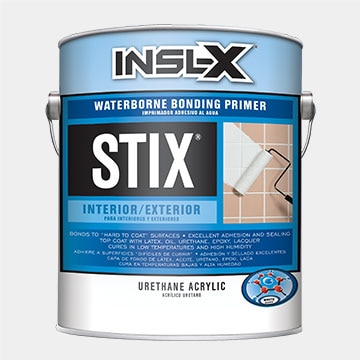
Stix® Waterborne Bonding Primer
Stix offers tenacious adhesion to surfaces like tile, plastic, galvanized metal and more.
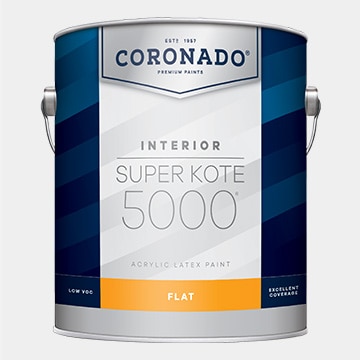
Super Kote 5000® Interior Paint - Flat
Premium commercial paint designed to allow professional painters to move quickly with low spatter and easy application.
Resources for Your Professional Painting Business

Cards With Image
At-a-Glance Product Guide
Easily access a list of our most in-demand paints and primers for both interiors and exteriors.

Cards With Image
Enhance Your Business
Help your business grow with solutions from the professionals at Benjamin Moore.

Cards With Image

Cards With Image
Pro Color Tools

Cards With Image
Purchase the Benjamin Moore ColorReader Device
Get paint color matching without the guesswork.

Cards With Image
Color Tools
Help your clients "try on" colors, explore Benjamin Moore's Color Collections, get expert color tips, and more.
Cards With Image
Purchase the Benjamin Moore ColorReader Device
Get paint color matching without the guesswork.
Cards With Image
Color Tools
Help your clients "try on" colors, explore Benjamin Moore's Color Collections, get expert color tips, and more.
Pro Solutions Center

Cards With Image

Cards With Image

Cards With Image

Cards With Image
Sustainability
Learn how you can help your business and minimize the impact on the environment.